Categories

For most Indian homes, terrace waterproofing costs roughly ₹50–₹90 per sq ft for a basic acrylic coating, ₹80–₹180 per sq ft for a more complete reinforced liquid or cementitious system, and ₹120–₹250+ per sq ft for premium PU or specialist membrane work. If the old screed must be removed and the slope rebuilt, the total can reach ₹150–₹350+ per sq ft. The best method is not automatically the most expensive one; it is the system that matches the roof's cracks, drainage, use and existing layers.
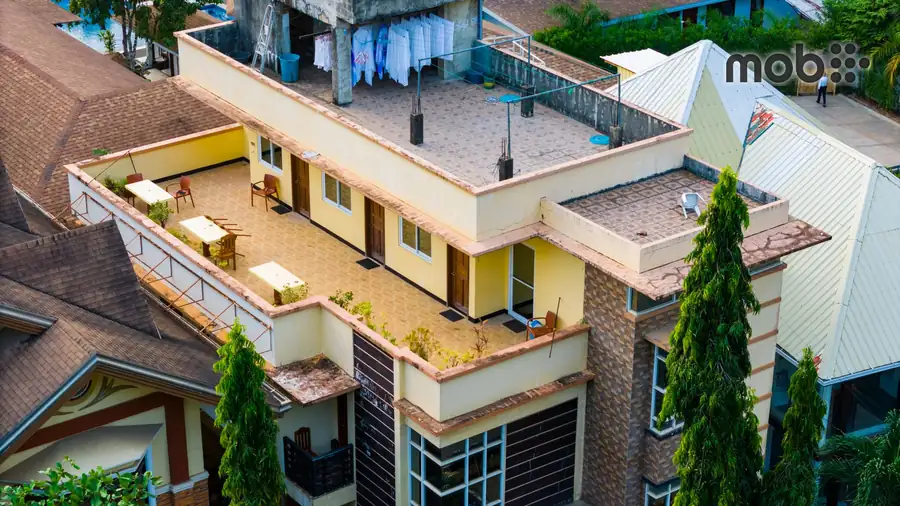
Anyone who has lived below a leaking terrace knows the monsoon routine. A small grey patch appears near the fan. Someone applies white cement from below. The patch returns, a little wider, after the next heavy rain. Then a contractor arrives with a bucket and promises one coat will solve it. The problem is that the visible patch is only where water escaped—not necessarily where it entered.
Terrace Waterproofing in 60 Seconds: Cost, Method and Test
For a sound exposed terrace needing routine protection, an acrylic or elastomeric coating may be the economical choice. Where cracks, junctions and complex details need reinforcement, a specified liquid-applied or flexible cementitious system is usually a stronger proposal. APP membrane and premium PU systems make sense in suitable roof build-ups with trained application. If the slope is wrong or the screed is hollow, none of these should be priced as a simple paint job.
After application and the required cure, the waterproofed area may be held under an approved shallow depth of water—often for 24 to 48 hours under the project method—to check for leakage. Then the outlets should be reopened and the terrace checked separately for drainage. Watertightness and slope are related, but they are not the same test.
Start With the Roof, Not With a Waterproofing Brand
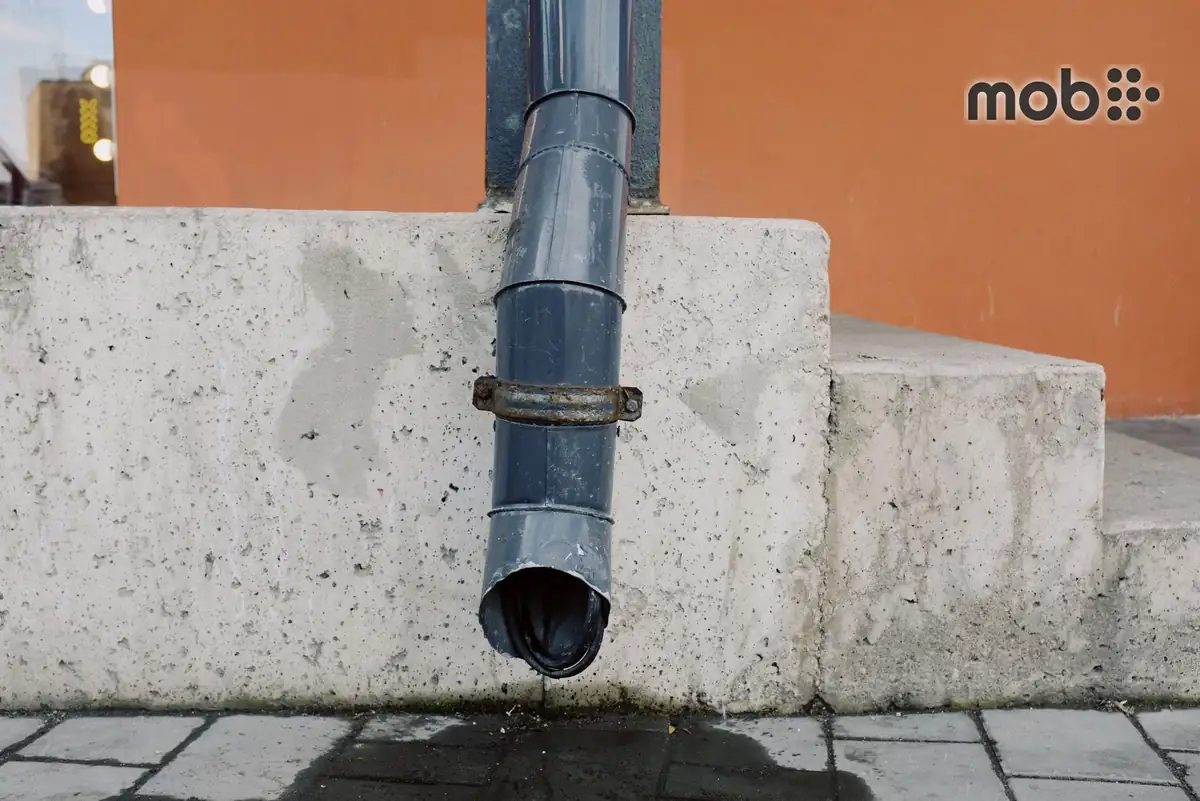
The best inspection often happens just after rain, when the roof has already drawn a map for you. Mark the puddles. Photograph the dark line at the parapet. Tap suspicious screed for a hollow sound. Look behind water tanks, below pipe supports and around every solar or antenna fixing. Lift outlet gratings and check whether the waterproofing actually turns into the mouth or stops beside it.
Do not let the inspection become a brand discussion too early. Dr. Fixit, Fosroc, Sika, Asian Paints and other manufacturers offer different terrace systems, but even the right material fails over loose screed or beside a high outlet. First decide whether the job is local repair, compatible overlay or removal and reconstruction. Bring in the structural engineer where cracks, deflection or test loading create concern.
Worked Example: Waterproofing Cost for a 1,000 Sq Ft Terrace
Take a 1,000 sq ft terrace with a largely sound screed, several parapet junctions and two rainwater outlets. At an illustrative ₹125 per sq ft for a reinforced system, the base waterproofing amount is ₹1,25,000. Add ₹12,000 for local crack and screed repair, ₹8,000 for outlet and penetration detailing, and ₹10,000 for access, shifting and testing: the planning total becomes ₹1,55,000 before GST or any major civil rebuilding.
Now change one fact: 35% of the screed is hollow and the outlet sits above the low point. The project is no longer a ₹125-per-sq-ft coating exercise. Dismantling, disposal, slope correction and new protection may become the largest cost. This is why a contractor who gives a final rate from a terrace photograph is pricing uncertainty, not measuring the work.
Five Terrace Waterproofing Methods Commonly Considered in India
Acrylic or elastomeric coatings are popular because the finished layer remains visible and future maintenance is straightforward. They suit a sound exposed terrace when the selected product permits the expected weather and occasional foot traffic. The trap is stretching the coating too thin: three decorative-looking coats do not equal the specified dry-film build.
Flexible cementitious systems integrate well with mineral bases and protected finishes. PU and other premium liquids can create seamless layers around complex shapes, but substrate moisture, pinholes and UV protection become critical. APP or modified-bitumen sheets offer controlled sheet thickness, yet every lap, upturn and outlet depends on skilled installation and safe torch practice. Brick-bat coba can provide slope and thermal mass, but it adds weight and remains workmanship-led; it is not automatically more durable merely because it is traditional.
Terrace Waterproofing Procedure: Details Before the Main Field
Once the system is chosen, remove loose material and contamination, repair the approved defects and bring the substrate to the moisture and profile required by the product. Resolve slope and outlet geometry. Treat cracks according to their type; static surface cracks and moving structural joints do not receive the same repair.
Complete parapet upturns, internal corners, rainwater outlets, pipe penetrations, expansion joints and equipment supports before covering the main field. Apply primer, membrane, reinforcement and protective layers at the documented consumption and intervals. Keep rain, dust and unrelated trades away during application and cure. A terrace that looks uniformly coloured can still be below the required dry-film thickness.
Ponding Test for Waterproofing: What It Proves—and What It Does Not
Think of a ponding test as the last question asked before the waterproofing is hidden or handed over: can this completed test zone retain an approved shallow depth of water without visible leakage? The water is held for a defined observation period—commonly 24 to 48 hours in project practice—while the underside, parapets and adjoining rooms are checked. Cure time, test depth and duration must still come from the approved method statement, system guidance and structural constraints.
Passing is valuable evidence, but it is not magic. The test does not prove that rainwater will flow to the outlet, that a future crack cannot open or that a solar installer will not drill through the membrane next month. It confirms performance under the recorded test conditions. The same logic applies to the wet-area test discussed in the bathroom waterproofing cost guide, although a terrace requires much more attention to test zones, drainage and water load.
How to Perform a Controlled Ponding Test Safely
First obtain approval that the membrane has cured and the structure can accept the proposed water load. Protect and temporarily isolate outlets using a removable method that cannot damage the waterproof detail. Create manageable test zones where necessary; never improvise tall dams on a large roof. Record the area, time, weather, reference water level and initial photographs.
Introduce water gradually to the approved shallow depth and mark a reference point. Inspect the slab soffit, ceiling, parapets and adjoining spaces at agreed intervals. Allow for evaporation—ideally with a control container exposed to the same weather—and investigate any unexpected level loss. At completion, photograph findings, release water into functional drainage without flooding lower areas, remove temporary dams and inspect the membrane for test damage.
Ponding Test vs Drainage Test: Do Not Confuse Them
During a ponding test, outlets are temporarily isolated so water remains over the test area. During a drainage or flow check, outlets are open and the objective is to see whether water reaches them without unacceptable stagnation. Passing one does not mean passing the other. A watertight roof can still hold puddles; a well-sloped roof can still leak through a bad junction.
After the watertightness test, open the drainage path and observe flow. Check low spots, outlet grating, downpipe capacity and the final membrane-to-outlet connection. Correct drainage reduces long-term stress and dirt accumulation even when the selected exposed membrane is rated for intermittent standing water.
Overlay, Local Repair or Rebuild?
| Approach | Consider when | Avoid when |
|---|---|---|
| Local detail repair | Failure is isolated and surrounding system is sound | Leak path is unknown or failures are widespread |
| Prepared coating overlay | Existing substrate is bonded, compatible and correctly sloped | Moisture is trapped or finish is hollow |
| New membrane over prepared base | Design allows compatible continuous system | Junction heights and outlets cannot be detailed |
| Remove screed and rebuild | Slope, substrate or buried system has broadly failed | Structure has not been assessed for intervention |
| Interior negative-side repair | Specialist diagnosis specifically supports it | Used merely to hide an unresolved top-side source |
Buy it in this order
- Map leaks, cracks, outlets, penetrations, hollow areas and standing water.
- Separate plumbing or tank leakage from rain-related terrace leakage.
- Confirm structural concerns and permitted test loading with the engineer.
- Choose a system for the substrate, movement, exposure, traffic and final finish.
- Write junction, parapet, outlet, joint and penetration details before pricing.
- Specify product consumption or dry-film build, not only number of coats.
- Approve cure time and a safe ponding-test method before application.
- Perform a separate drainage check after reopening outlets.
Compare current options and place orders onMadoverbuildings (MOB).
Pricing Snapshot
| Product | Live Price | MRP / RFQ | Buying Note |
|---|---|---|---|
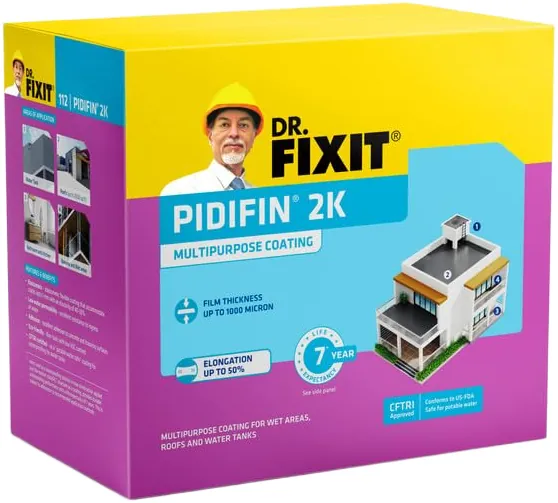
| Dr. Fixit 112 Pidifin 2K Two-Component Flexible Cementitious Waterproof Coating, 3 kg | Rs 457.87 / Unit | MRP Rs 725 | RFQ Rs 453.47 | Stock: 15; Delivery: QWIK; Unit: Unit |
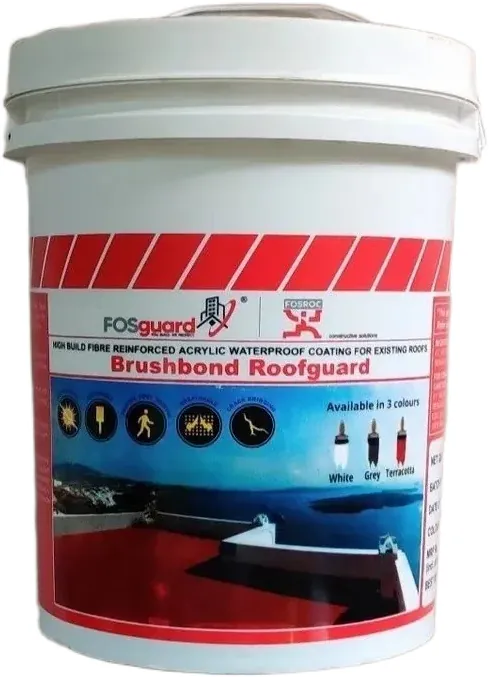
| Fosroc Brushbond Roofguard Waterproof Coating 20L Grey | Rs 6,352.50 / Unit | MRP Rs 10,000 | RFQ Rs 6,292 | Stock: 15; Delivery: QWIK; Unit: Unit |
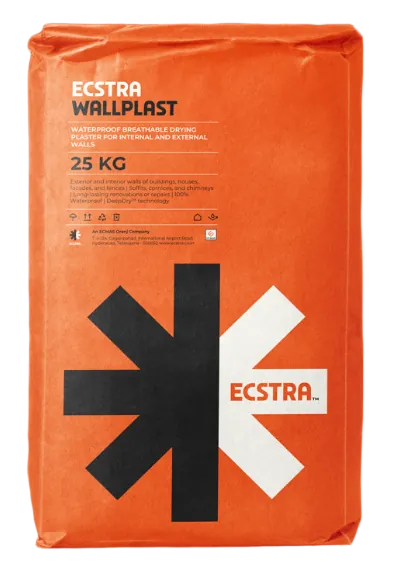
| Ecstra WALLPLAST Waterproof Breathable Drying Plaster for Internal and External Walls 25 kg | Rs 904.75 / Unit | MRP Rs 1,650 | RFQ Rs 866.25 | Stock: 100; Delivery: QWIK; Unit: Unit |
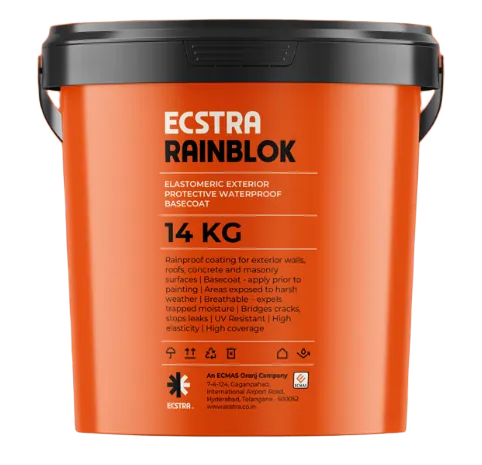
| Ecstra RAINBLOK Elastomeric Exterior Protective Waterproof Basecoat 14 kg | Rs 4,288.75 / Unit | MRP Rs 7,750 | RFQ Rs 4,106.25 | Stock: 100; Delivery: QWIK; Unit: Unit |
What to verify on the bag or box
- Test smaller controlled zones when roof size, loading or leak tracing makes one large pond unsafe.
- Use an evaporation control container rather than assuming every water-level drop is leakage.
- Photograph membrane thickness checks and every hidden detail before protection.
- Do not bridge a designed expansion joint with an ordinary field coating.
- Raise waterproofing at parapets and penetrations according to the approved detail, not a convenient paint line.
- Keep outlet mouths accessible for cleaning; decorative finishes should not bury them.
How This Plays Out on Madoverbuildings (MOB)
A terrace BOQ should say more than 'waterproofing chemical'. Madoverbuildings (MOB) can help buyers source relevant construction materials where available once the consultant or applicator has defined the primer, membrane, reinforcement, sealant, protection and quantities. Mixed repair and waterproofing lists can be organised through Magic Quote, while apartment, commercial or multi-building requirements can move through an RFQ for bulk requirements. MOB supports procurement; the engineer-approved method statement controls the terrace system and testing.
Relevant Products to Compare

Frequently Asked Questions
Which is the best terrace waterproofing method in India?
There is no universal best method. Acrylic, flexible cementitious, PU liquid and modified-bitumen membrane systems suit different substrates, exposure, traffic and protection requirements. Diagnose the roof and specify a complete system before comparing brands.
How much does terrace waterproofing cost per sq ft?
Indicative 2026 India ranges may start near ₹50–₹90 per sq ft for basic coating, reach roughly ₹80–₹250+ for fuller membrane systems, and rise to ₹150–₹350+ when major repairs, slope correction or protection must be rebuilt. Obtain a measured, itemised quote.
What is a ponding test for waterproofing?
It is a controlled test in which an approved shallow depth of water is retained over a cured waterproofed area for a specified period while water level and surrounding areas are inspected for leakage.
How long should a terrace ponding test last?
Many project specifications use a 24- to 48-hour observation period, but the approved specification, manufacturer and consultant must set the actual duration, depth and cure time for that system and structure.
Does passing a ponding test guarantee no future leakage?
No. It supports acceptance under the test conditions. Future movement, blocked drains, weathering, unsealed penetrations or punctures by later trades can still cause failure.
Can a ponding test damage the terrace?
Water adds significant load, and temporary dams or plugs can damage fresh details if improvised. Confirm structural capacity, membrane cure, safe depth, zones and drain-down procedure before testing.
Is brick-bat coba better than a modern membrane?
Brick-bat coba can provide slope and thermal mass, but it is heavy and highly workmanship-dependent. Modern membranes offer different advantages. Selection should follow the roof build-up, structural capacity, details and maintenance plan rather than a blanket preference.
Can waterproof coating fix a terrace with standing water?
A coating may resist some standing water only if its technical data specifically allows it, but it does not correct poor slope or a high/blocked outlet. Fix drainage geometry as part of the repair design.
What should a terrace waterproofing warranty cover?
Read the written conditions for system materials, workmanship, test acceptance, maintenance, movement, plumbing sources, blocked drains, third-party punctures and remedies. A long warranty headline is less useful than a clear responsibility and repair process.