Categories

Quick answer: use CPVC (IS 15778) for hot-and-cold potable water lines, UPVC pressure pipe (IS 4985) only for cold potable water, and PVC-U SWR pipe (IS 13592) for soil, waste, vent and rainwater drainage. They are different systems with different pressure, temperature and joint requirements, so they are not interchangeable, and the plumbing drawing decides which one goes where.
A bathroom quotation that says only 'PVC pipes — complete' is not complete. It hides the most important information: Is the line carrying hot water, cold pressurised water, waste water, rainwater or soil discharge? What pressure and temperature must the system handle? Which fittings and joining system will be used behind the tiles?
Start With the Service: What Will Flow Through This Pipe?
Write a service schedule before choosing material: overhead-tank cold supply, pump discharge, geyser hot outlet, hot return if any, waste line, soil stack, vent, rainwater or external underground supply. The same nominal diameter can appear in several services but require a different product system.
This prevents the common site mistake of using leftover drainage pipe for a pressure line or treating every white plastic pipe as interchangeable. If the drawing does not identify the service and material, resolve that gap before comparing brands.
Which Indian Standard Belongs to Which Pipe?
Pipe labels only help when they point to a standard. As a starting map: CPVC hot-and-cold potable-water pipe is covered by IS 15778 (the 2007 edition covers water service up to and including 82 °C), UPVC pressure pipe for cold potable water by IS 4985, and PVC-U soil, waste, vent and rainwater pipe by IS 13592. Standards are revised from time to time, so check the edition printed on the pipe and cited in the specification.
Learn one more label: SDR, the standard dimension ratio (outside diameter divided by wall thickness). A lower SDR means a thicker wall and higher pressure capacity, which is why two pipes of the same diameter can be rated for very different pressures. Ask for SDR or pressure class in every quote.
Temperature and Pressure Work Together
A pipe's suitability is not decided by pressure printed on the body alone. Temperature can change the permitted working pressure, and every product family has its own published limits. A geyser outlet, a terrace tank line and a basement pump discharge are different design conditions.
Ask the plumbing consultant or qualified designer for operating temperature, design pressure, surge considerations, diameter and pipe series/class. Then compare products within that exact requirement. Do not convert a marketing phrase such as 'heavy duty' into an engineering specification.
Thermal Expansion: A Worked Example for Hot-Water Lines
Plastic pipes grow when hot water flows through them. As a planning figure, CPVC expands roughly 0.06 mm per metre for each °C of temperature rise; use the manufacturer's coefficient for the product you buy. A 10 m straight run heated from 25 °C to 65 °C (a 40 °C rise) lengthens by about 10 × 0.06 × 40 = 24 mm.
If that movement is trapped between rigid clamps and a tight chase, it turns into stress at fittings. Follow the manufacturer's guidance on clamp type and spacing, changes of direction, offsets or expansion loops on long runs, and sleeves at wall and slab crossings, and insulate hot lines to reduce heat loss and surface condensation.
Buy the Pipe and Fittings as One Compatible System
Count elbows, tees, reducers, sockets, unions, transition fittings, end caps, valves and clamps from the plumbing drawings—not as an approximate percentage added at checkout. Small missing fittings stop a plumber even when every long pipe has arrived.
Use the joining product and procedure approved for that pipe/fitting system. Surface preparation, correct solvent or cement, insertion depth, curing time, alignment and cleanliness all affect the joint. Avoid casually mixing brands or product families unless compatibility is explicitly accepted by the responsible professional/manufacturers.
CPVC vs PP-R: The Question Every Plumber Will Ask
Both CPVC and PP-R (polypropylene random copolymer) are used for hot-and-cold potable water. CPVC is joined with solvent cement; PP-R is joined by heat fusion using a welding machine. Fusion joints become part of the pipe but need trained hands and equipment; solvent joints are quicker but depend on clean cuts, the right cement and full cure time.
The better choice depends on the installer's skill, the approved product and the specification, not on which is 'stronger' in a brochure. Whichever you pick, buy pipes, fittings and joining products as one system.
Concealed Plumbing Is the Wrong Place to Save on an Unclear Substitution
The visible price difference between two pipe systems is small compared with opening finished tiles, repairing waterproofing and disturbing an occupied bathroom. That does not mean buying the most expensive brand blindly; it means spending first on a correct specification, genuine compatible components and testable workmanship.
Complete and document the plumbing pressure/leak test before closing chases or applying final finishes. Coordinate penetrations and sleeves with the waterproofing plan. The bathroom waterproofing cost guide explains why a leak and a waterproofing failure must be diagnosed rather than treated as the same problem.
How Solvent-Cement Joints Fail — and the Site Routine That Prevents It
Most solvent-joint failures trace to the joint, not the pipe. The usual causes are an angled or rough cut, no deburring or chamfer, dirty or wet surfaces, cement meant for a different material, incomplete insertion, and pressure-testing before the joint has cured.
A sound routine: cut square, deburr and chamfer, dry-fit to check insertion depth, clean both surfaces, apply the cement specified for that pipe material (CPVC needs CPVC cement, not general PVC cement), push the joint fully home as the manufacturer directs and leave it undisturbed. Follow the manufacturer's cure-time chart, which varies with temperature, humidity and pipe size, before the pressure test. Record the test as the bathroom waterproofing cost guide recommends for every concealed route.
CPVC vs UPVC vs PVC-U SWR - Standard, Temperature and Joint at a Glance
| Point | CPVC | UPVC pressure pipe | PVC-U SWR |
|---|---|---|---|
| Standard to look for | IS 15778 | IS 4985 | IS 13592 |
| Used for | Hot and cold potable water | Cold potable water | Soil, waste, vent, rainwater |
| Hot water | Yes, within rated temperature and pressure | No | No |
| Pressurised supply | Yes, per SDR / pressure rating | Yes, per pressure class | No (gravity / low pressure) |
| Common joint | CPVC solvent cement; threaded brass at transitions | Solvent cement or ring joint, per system | Solvent cement or ring joint, per design |
| Thermal-movement concern | High on hot lines | Lower (cold service) | Lower |
Which one to buy
- Mark every plumbing service on the drawing: hot, cold, waste, soil, vent, rainwater and pump lines.
- Confirm design temperature, pressure, diameter and product class/series for each service.
- Prepare a fitting schedule instead of adding an unverified percentage to pipe length.
- Specify compatible pipes, fittings, valves and joining products as a system.
- Compare total system cost, not only the price per metre of pipe.
- Confirm freight, breakage/return rules and whether accessories are included.
- Inspect markings, diameter, product series and physical condition at delivery.
- Complete the specified pressure/leak test before concealing services.
Compare current options and place orders on Madoverbuildings (MOB).
Pricing Snapshot
| Product | Live Price | MRP / RFQ | Buying Note |
|---|---|---|---|
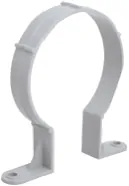
| Truflo PVC Fitting 50 mm Pipe Clip (1.5 inch) (White) code: PF39000050 | Rs 7.07 / Unit | MRP Rs 9.83 | RFQ Rs 7 | Stock: 25; Delivery: QWIK; Unit: Unit |
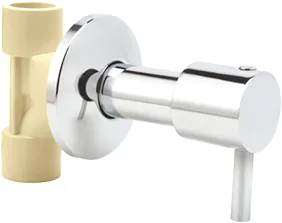
| Truflo CPVC Concealed Valve-Full Turn Spindle code: CECVFTSP01 | Rs 222.73 / Unit | MRP Rs 428 | RFQ Rs 220.60 | Stock: 25; Delivery: QWIK; Unit: Unit |
| Truflo CPVC Mixer Adaptor-Top & Bottom 1 code: CEMATB2515 | Rs 373.63 / Unit | MRP Rs 718 | RFQ Rs 370.07 | Stock: 25; Delivery: QWIK; Unit: Unit |
| Truflo CPVC Blind Flange 1-Piece 25 mm (1 inch) code: CEFL030025 | Rs 289.85 / Unit | MRP Rs 557 | RFQ Rs 287.09 | Stock: 25; Delivery: QWIK; Unit: Unit |
Don't substitute these
- Never approve a pipe from colour alone; read the product marking and application.
- Put hot and cold fittings in separate labelled crates during rough-in work.
- Count transition fittings carefully—plastic-to-metal connections are easy to miss in a BOQ.
- Check that the solvent/adhesive has not expired and is intended for the chosen system.
- Pressure-test while joints and routes are visible enough to repair.
- Record whether pipe lengths are quoted per piece or total running metre.
How This Plays Out on Madoverbuildings (MOB)
A plumbing list is easier to source when it identifies the service, product system, diameter and fittings. Madoverbuildings (MOB) lets buyers explore relevant construction materials, submit mixed plumbing schedules through Magic Quote, and use an RFQ for larger requirements. Product availability varies, and the plumbing designer/contractor remains responsible for system selection, sizing, installation and testing.
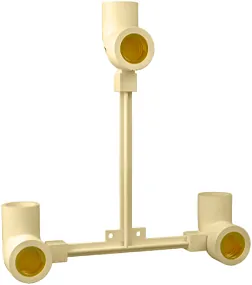
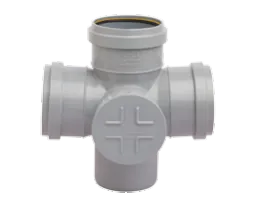
Relevant Products to Compare

Frequently Asked Questions
What is the main difference between CPVC and UPVC pipes?
CPVC is designed for hot and cold potable water (IS 15778; the 2007 edition covers service up to and including 82 °C), while UPVC pressure pipe (IS 4985) is intended for cold potable water and loses pressure capacity as temperature rises. They use different fittings and joint materials, so confirm the exact product's temperature, pressure and standard before you buy.
Which pipe is best for hot water in a house?
A hot-water-rated system specified by the plumbing designer is required; CPVC is a common choice in Indian residential plumbing. Confirm operating temperature, pressure, manufacturer limits, fittings and installation method rather than selecting by material name alone.
Can UPVC pipe be used for hot water?
Do not use a standard cold-water UPVC product for hot water unless that exact product is explicitly rated and specified for the operating conditions. Use the approved hot-water system in the plumbing design.
Is PVC suitable for drinking water?
The generic word PVC is not enough to decide. Potable-water suitability depends on the exact product, applicable certification/standard, pressure class and intended application. Check the product documentation and project specification.
What is an SWR pipe used for?
SWR systems are intended for soil, waste and rainwater applications. They are not automatically interchangeable with pressurised potable-water pipes; use the appropriate system and joint type shown in the drainage design.
Can I mix pipe and fitting brands?
Avoid unapproved mixing. Dimensions, tolerances, compounds and joining instructions can differ. Use a compatible system or obtain explicit technical acceptance from the responsible professional/manufacturers.
When should concealed plumbing be tested?
Test after installation and before closing chases, tiling or final finishes, following the project and manufacturer's procedure. Keep a dated test record and photographs of the routes.
How should I compare two plumbing material quotations?
Match service, brand/series, material, diameter, class/rating, total length, fitting quantities, valves, joining products, taxes, freight and return rules. Comparing only pipe price per metre can hide a higher complete-system cost.
Is CPVC or PP-R better for home plumbing?
Both are used for hot and cold potable water. CPVC uses solvent-cement joints and PP-R uses heat-fusion joints. The better choice depends on the specification, the approved product and installer capability, not on a universal ranking.
What does SDR mean on a CPVC pipe?
SDR is the standard dimension ratio: outside diameter divided by wall thickness. A lower SDR means a thicker wall and a higher pressure rating for the same diameter.
Which pipe should be used for bathroom drainage?
Use a drainage system such as PVC-U SWR pipe (IS 13592) with the joint type and slope shown in the drainage design. Do not use pressure water pipe for soil and waste lines.
Can CPVC pipe be used for cold water?
Yes. CPVC systems are designed for both hot and cold potable water, so one system can serve both lines when the design calls for it.
How long should I wait before pressure-testing a solvent-cement joint?
Follow the cement manufacturer's cure-time chart. Cure time depends on temperature, humidity and pipe size, and testing too early is a common cause of joint failure.
How can I identify a CPVC pipe on site?
Read the print line for the brand, material (CPVC), size, SDR or class, standard number and batch. Colour is not a reliable identifier.