Categories

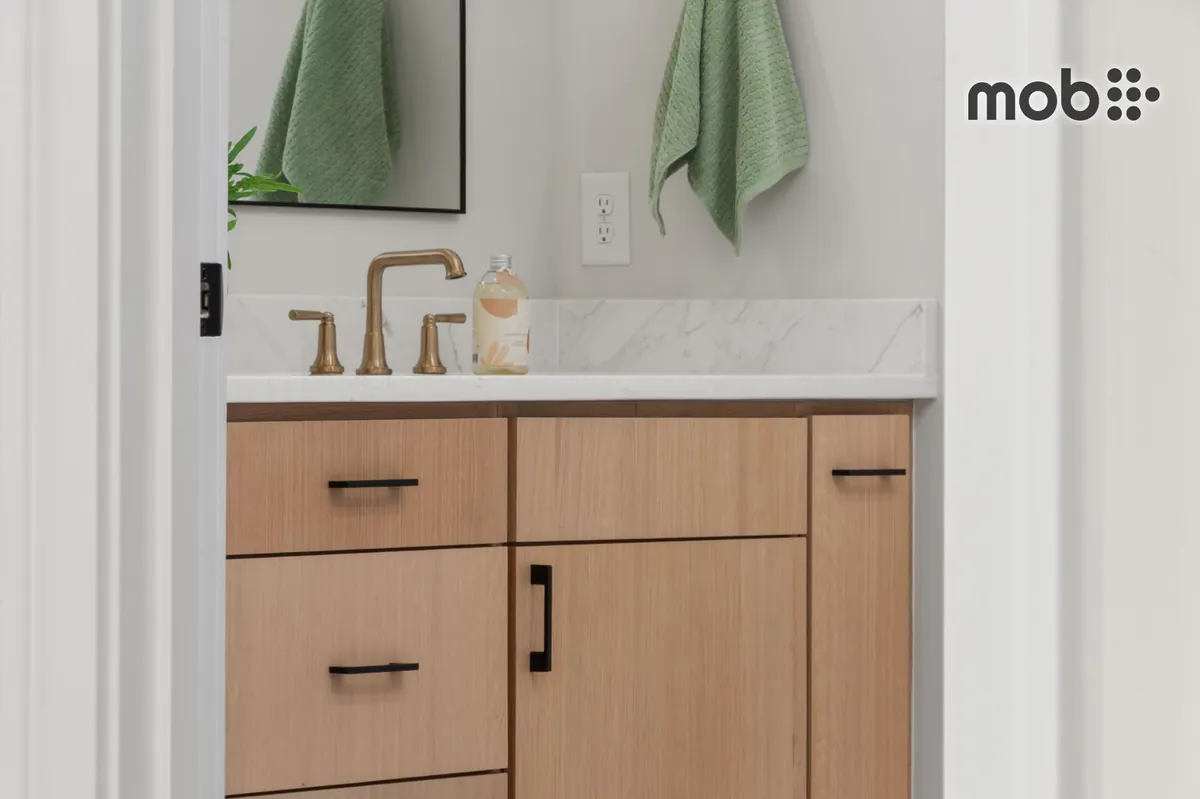
Under a leaking Mumbai wash basin, HDHMR will swell before genuine BWP plywood every single time. If a bottle trap drips onto an unbanded pipe cutout overnight, an HDHMR board edges up like a wet sponge within two to three days, while an IS 710 Boiling Water Proof sheet will sit in that pool for weeks without blowing its thickness.
Showroom sales pitches love to submerge a tiny, six-sided edge-banded sample of green HDHMR in a glass fish tank on the counter. It looks bulletproof there. But your under-sink vanity is not a seamless sample block in clean tap water. It is a dark, unventilated box pierced with half a dozen rough jigsaw cuts for angle valves, waste couplings, and mixer braids, sitting through 90 percent coastal humidity from June to September.
For the bottom shelf and wet carcass of any under-counter vanity in Mumbai, genuine BWP plywood (IS 710) is the winner. HDHMR has legitimate uses on site, but when plumbing fails in an enclosed wet zone, the physical structure of wood veneer beats compacted wood fiber glued with resin.
Why fiber density loses to wood grain under standing water
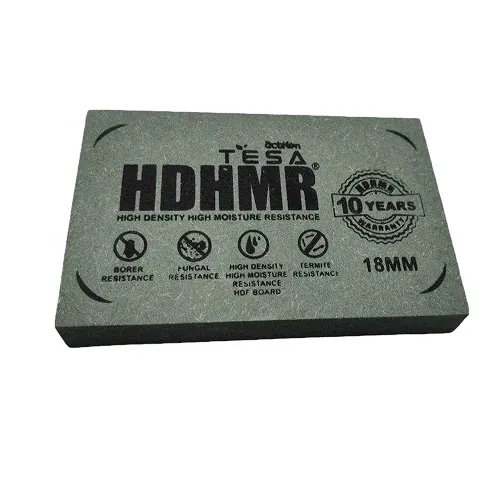
To understand why HDHMR blows out first, look at how both boards are built. HDHMR stands for High Density High Moisture Resistance. It is manufactured by breaking wood chips down into individual lignocellulosic fibers, mixing them with melamine urea-formaldehyde (MUF) synthetic resin, and pressing them under extreme heat to a density usually exceeding 850 kg per cubic meter. The green pigment you see has zero waterproofing property; it is purely an industrial dye to tell the board apart from standard interior MDF.
Because it is dense and lacks natural grain, HDHMR is exceptionally smooth, cuts without chipping, and takes PU paint or acrylic laminates beautifully. But it relies entirely on its resin matrix to repel moisture. When standing water collects on an exposed raw cut, capillary action pulls moisture deep into the compacted fiber core. Wood fibers are naturally hydrophilic. Once water penetrates, the mechanical compression from the factory press releases. The fibers expand permanently. Even if you dry the board completely with a heat gun, swollen HDHMR never shrinks back to its original 16mm or 18mm thickness. The core stays puffed, powdery, and soft.
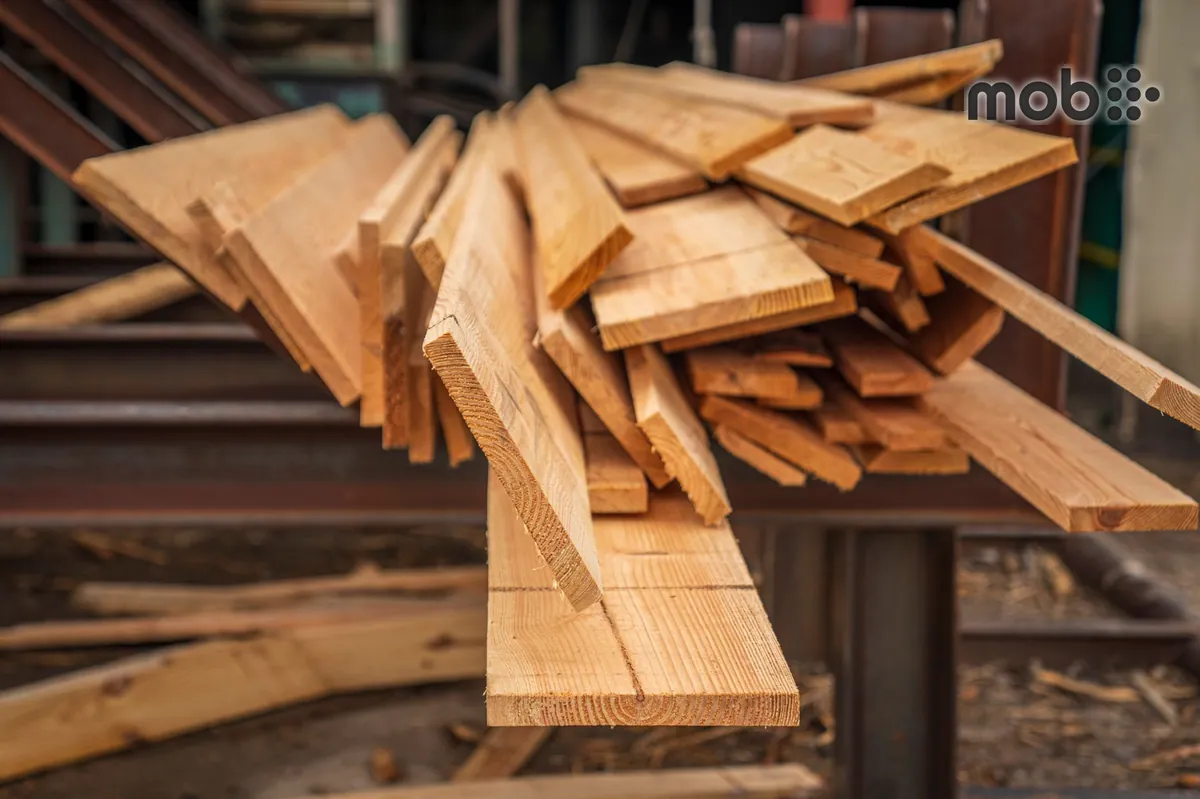
BWP plywood, manufactured strictly under IS 710 standards, uses peeled wood veneers laid cross-grained in odd numbers and hot-pressed using unextended phenol formaldehyde (PF) resin. Phenolic resin creates a permanent, water-insoluble chemical bond between the plies. While the outer timber face might darken and pick up surface dampness, the cross-directional wood veneers physically constrain one another from expanding along their thickness. Plywood can handle prolonged exposure to standing puddle water from a loose basin waste fitting without delaminating or doubling in thickness.
The jigsaw cut: where under-sink vanities really fail
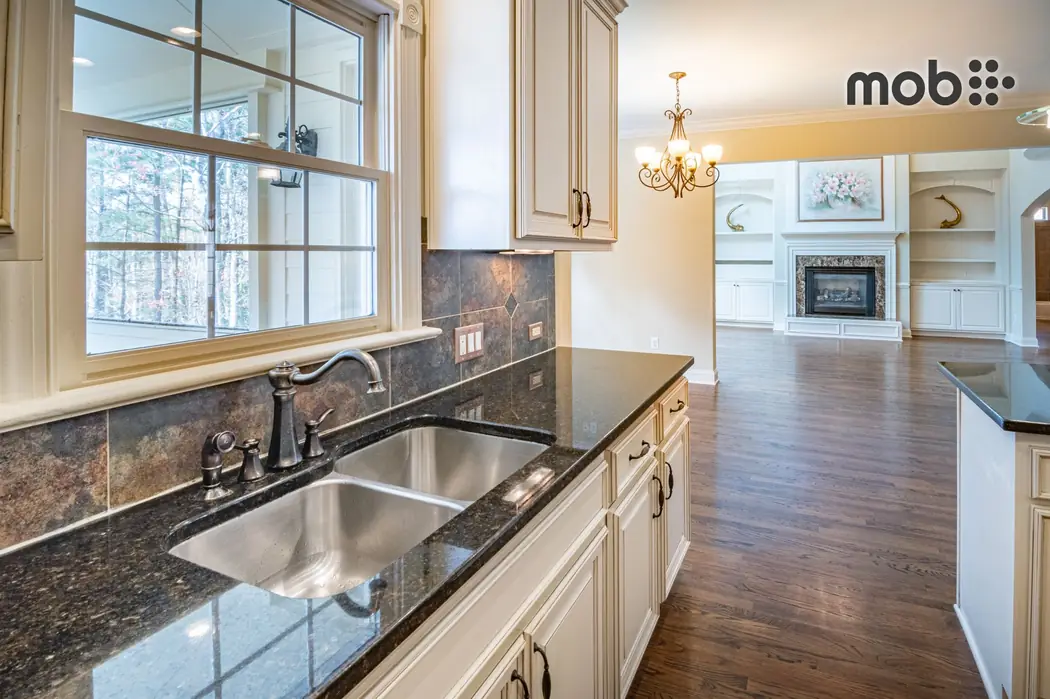
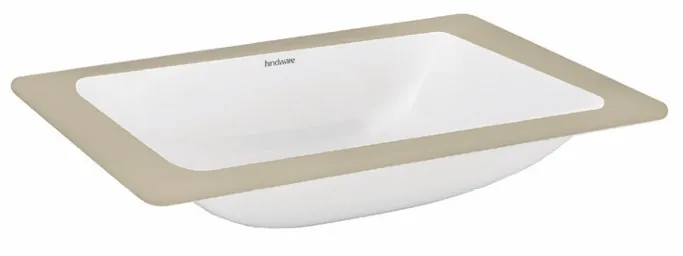
No bathroom vanity stays sealed like the factory intended. Consider a standard installation for an under-counter wash basin like a Hindware Garnet mounted into a stone slab. Your carpenter builds the carcass box, places it below the counter, and then the plumber arrives with a hole saw or an ordinary hand jigsaw.
To bring in the 32mm waste pipe, two 15mm braided hoses for hot and cold water, and the floor drain connection, the plumber cuts three to five holes through the back panel and the bottom deck. In nine out of ten Mumbai flats, those rough, jagged jigsaw cuts are left completely bare. No edge band tape, no silicon, no paint. It is raw, open board facing directly towards the threaded joints.
Plumbing connections inside a vanity rarely burst with a massive spray; they weep. A drop every four minutes from a cheap CPVC threaded adaptor or a pinched rubber washer inside the bottle trap runs down the pipe and drops directly onto the raw core around the cutout. In HDHMR, that drip finds exposed fiber instantly. Within two weeks, the board swells around the hole, buckles the inner laminate sheet, and snaps the silicone seal holding the cabinet to the tiled wall. With IS 710 BWP plywood, the timber veneer absorbs a micro-amount of moisture, but the structural core remains solid and holds its form.
Screw holding and hinge sag in a high-moisture carcass
A bathroom vanity takes serious mechanical abuse. The shutters are swung open daily, often bearing the load of concealed trash bins, internal storage racks, or heavy 2-litre detergent bottles kept on the bottom base. This brings up the second critical failure point: screw holding strength under damp conditions.
In BWP plywood, steel screws drive through multiple layers of alternating solid wood veneer. The threads bite across the natural grain of hardwood plies like gurjan or eucalyptus, giving you an end-grain and edge screw withdrawal strength that easily passes 1000 to 1200 Newtons. Even if the surrounding atmosphere inside the Mumbai flat sits at peak monsoon dampness, the screw stays anchored.
HDHMR has decent face screw-holding capacity when perfectly bone-dry, but its edge screw-holding capacity is notoriously vulnerable to moisture. The moment humidity creeps into the hinge pocket holes or along the top edge of the carcass, the resin-fiber bond weakens. Within a year, vanity shutters mounted directly onto HDHMR side panels start sagging. The carpenter tries to tighten the hinge screws, but the threads turn freely in the core because the fiber has turned to damp meal. Re-drilling with wooden matchsticks or bigger screws is a temporary band-aid that gives out within another month.
What you must never substitute at the timber counter
The biggest site mistake in residential interiors happens right at the order stage, driven by confused terminology across local hardware shops:
- Substituting commercial MR plywood or interior MDF for BWP plywood because 'it will be covered by laminate anyway'. Moisture Resistant (MR) plywood is bonded with urea-formaldehyde, which breaks down in damp conditions within months. Interior grade boards like standard MDF belong in bedroom wardrobes and dry panelling, never within five feet of a sink waste.
- Believing that green colour equals waterproof. Fly-by-night board manufacturers routinely add green dye to standard interior-grade MDF or commercial particle board and label it 'water resistant'. Unless the board is tested and certified to relevant density and swelling standards, green dye means nothing.
- Using 0.8mm cheap edge banding tape glued with manual rubber adhesive instead of a factory 2mm PVC edge band applied with high-temperature hot-melt adhesive. Under-sink vanity shelves need a physical, impermeable water stop on every single exposed cut edge.
- Skipping the bottom clearance. Building an under-sink carcass flat on the bathroom floor tiles without a 75mm to 100mm raised masonry ledge, solid PVC plinth, or stainless steel legs guarantees that floor wash water will wick up from below, destroying any timber-based board regardless of grade.
The right specification to build an under-sink vanity that lasts
If you want a vanity that will survive a decade of Mumbai monsoons, daily bathroom cleaning, and the inevitable plumbing drip, use this hybrid specification:
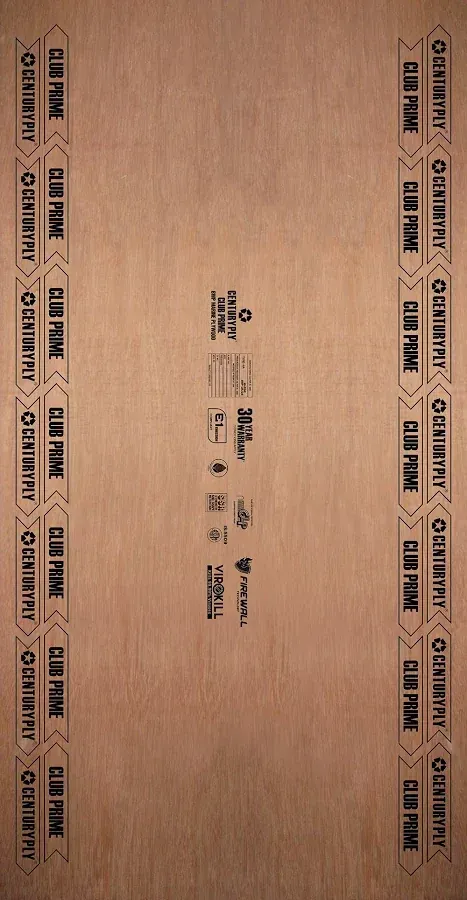
Build the entire structural carcass, the bottom shelf, back panel, and vertical sides, using 16mm or 18mm IS 710 calibrated BWP plywood. Good options like CenturyPly Club Prime BWP give you genuine core protection and subject to availability phenolic bonding. Line the inside of this carcass with a 0.8mm or 1.0mm balancing laminate using waterproof polyvinyl acetate (PVA) adhesive, or apply a continuous aluminium foil barrier sheet to the bottom base.
Use HDHMR where it actually shines: the exterior shutter fronts and routed drawer panels. Above the sink line, or as the decorative face of the vanity, HDHMR gives you clean routed profiles, razor-sharp grooves, and a flat substrate for high-gloss PU finishes that plywood cannot match without telegraphing veneer grain. Keep the fiber board out of the wet waste zone, and let the plywood take the plumbing risk.
HDHMR vs BWP Plywood: Under-Sink Performance Comparison
| Property | HDHMR Board | IS 710 BWP Plywood | What Site Reality Proves |
|---|---|---|---|
| Internal Composition | Wood fibers mixed with MUF synthetic resin under high pressure | Cross-bonded hardwood veneers pressed with phenol formaldehyde resin | Veneer cross-banding prevents thickness swelling; compressed fibers pop when wet. |
| Response to Standing Water | Swells permanently along unsealed edges within 48 to 72 hours | Absorbs surface dampness but maintains core thickness and bond strength | HDHMR does not shrink back after drying; BWP plies remain intact. |
| Resistance to Plumber Cuts | Cuts expose raw, highly absorbent fibrous core to leaks | Cuts expose cross-veneers that resist water travel across plies | Plumbing cutouts are rarely edge-banded on site, making HDHMR vulnerable immediately. |
| Hinge Screw Holding in Dampness | Drops sharply once moisture enters; screw holes strip easily | Retains strong mechanical grip across alternating wood grains | Heavy vanity shutters on HDHMR carcass drop their alignment after one damp season. |
| Surface Finish for Paint / Acrylic | Exceptional; glass-smooth with zero telegraphing or ripple marks | Requires calibrated thickness and sanding; grain can telegraph slightly | Use HDHMR for exterior painted shutters; use BWP for the wet carcass box. |
Which one to buy
- Check the manufacturer stamp on every sheet delivered to site; look for IS 710 marking, CM/L certification number, and genuine BWP branding rather than ambiguous 'water-resistant' claims.
- Instruct your carpenter to seal every single plumber cutout immediately using two coats of marine enamel paint or thick neutral-cure silicone before the basin waste is coupled.
- Insist on 2mm PVC edge banding applied with hot-melt glue on all four edges of every carcass panel, including the hidden top edges abutting the basin slab.
- Mount the vanity carcass on a minimum 75mm raised granite curb or 304-grade stainless steel legs so floor washing water never touches the board base.
Compare current options and place orders onMadoverbuildings (MOB).
Pricing Snapshot
| Product | Live Price | MRP / RFQ | Buying Note |
|---|---|---|---|
| Action Tesa HDHMR Plain Board 8'x4' Sheet 3mm Thickness | Rs 497.01 / Unit | MRP Rs 735 | RFQ Rs 497.01 | Stock: 96; Delivery: QWIK; Unit: Unit |
| Hindware Garnet Under Counter Basin, Size : 580 x 430 mm, ID : 10080, Star White | Rs 3,919.86 / Unit | MRP Rs 5,490 | RFQ Rs 3,919.86 | Stock: 95; Delivery: QWIK; Unit: Unit |
| CenturyPly Club Prime BWP Plywood 6 mm - 8 x 4 ft | Rs 2,421.57 / Unit | MRP Rs 2,528 | RFQ Rs 2,398.06 | Stock: 15; Delivery: QWIK; Unit: Unit |
Don't substitute these
- Smell the cut: genuine BWP plywood using phenol formaldehyde releases a distinct carbolic, sharp chemical scent when cut with a circular saw, unlike the sweet sawdust smell of commercial ply.
- Always run your finger along the cut edge of an HDHMR sheet; if the fibers shed like coarse dust, the resin content is too low for any wet area use.
- Never drop an under-counter basin directly onto a wooden vanity frame; support the stone counter with independent steel brackets fastened to the masonry wall.
How This Plays Out on Madoverbuildings (MOB)
A site supervisor in Bandra had an interior fit-out delayed because the local supplier delivered commercial MR board instead of the specified IS 710 marine ply for three vanity cabinets. He opened the Madoverbuildings (MOB) catalog, verified the live technical specifications for CenturyPly Club Prime BWP sheets, and scheduled a confirmed delivery slot directly to the apartment floor without wasting half a day at the timber depot.
Relevant Products to Compare

Frequently Asked Questions
Can HDHMR be made fully waterproof with laminate and edge banding?
No board made of wood fiber can be made completely waterproof under plumbing. While factory-applied 2mm PVC edge banding and continuous 1mm laminate provide a solid moisture barrier on flat faces, on-site cutouts for pipes and sink fixtures will always expose the raw core to inevitable leaks.
How do you check if plywood is genuinely BWP grade on site?
Look for the IS 710 mark stamped in indelible ink along with a valid seven-digit CM/L license number traceable to the manufacturer. You can also boil a small 2-inch cut piece in water for 72 continuous hours; genuine BWP plywood will not delaminate or separate its plies after drying.
Why does HDHMR turn green if the colour does not stop water?
The green tint is added during manufacturing purely as an industry-standard visual marker to help dealers and carpenters distinguish moisture-resistant boards from standard light-brown interior MDF. The actual moisture resistance comes from the density of the press and the melamine urea-formaldehyde resin matrix, not the dye.
What is the best thickness for an under-sink bathroom vanity carcass?
Use 16mm or 18mm calibrated BWP plywood for the side gables, bottom shelf, and top runners to ensure rigid load distribution and strong screw grip for auto-close hinges. For back panels and vertical partitions with low load, 6mm to 9mm BWP plywood works reliably without taking up unnecessary interior box volume.
Can I use HDHMR for vanity shutters if the carcass is BWP plywood?
Yes, that is the ideal hybrid specification on professional sites. Using HDHMR for the front shutters allows you to rout clean handle grooves, apply flawless PU paint, or press high-gloss acrylic without grain ripples, while keeping the structural BWP plywood carcass safe from direct plumbing water leaks.
Does silicone sealant protect raw HDHMR edges around sink cutouts?
Silicone helps as a temporary seal, but over time heat, humidity, and detergent residues cause it to peel away from fibrous edges. If you must seal raw edges on site, apply two liberal coats of an epoxy sealer or oil-based marine enamel paint and allow it to dry fully before applying silicone.